


Books
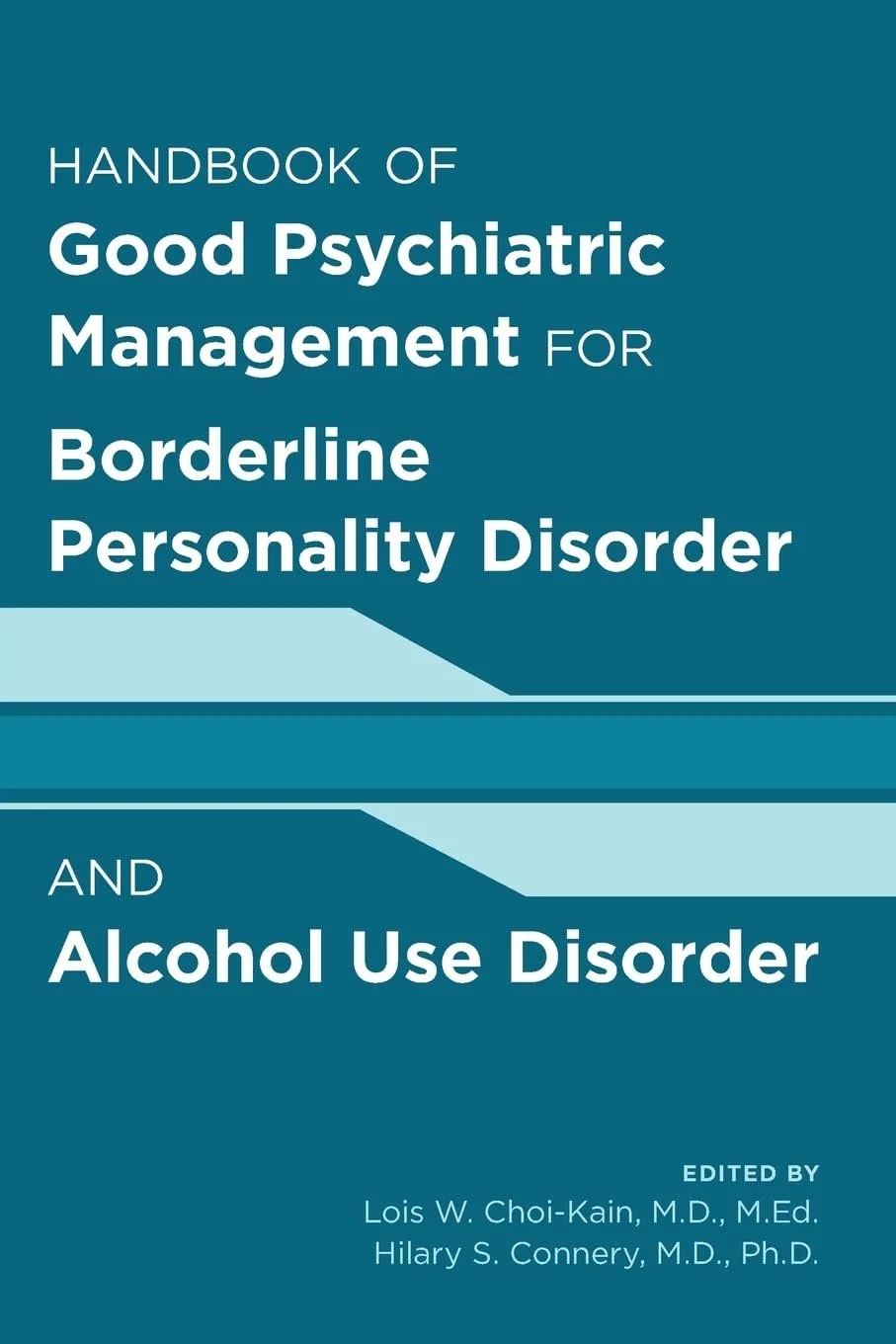
Lois W. Choi-Kain & Hilary S. Connery (Eds.)
Handbook of good psychiatric management for borderline personality disorder and alcohol use disorder (2024)
American Psychiatric Publishing
-
Six percent of people in North America will develop borderline personality disorder (BPD) in their lifetime, and about half of those will also have alcohol use disorder (AUD). This interplay of symptoms leads to greater treatment challenges and increases the risk of death by suicide, but an integrated treatment approach is lacking.
Good Psychiatric Management for Borderline Personality Disorder and Alcohol Use Disorder fills that gap. Leaning on general psychiatric principles with which most clinicians are already familiar and the most up-to-date standards of care for both BPD and AUD, the authors clearly articulate quality, evidence-based treatment interventions. Readers will discover how to establish a treatment framework, manage suicidality and nonsuicidal self-harm, navigate pharmacotherapeutic approaches, implement multimodal treatments, and choose appropriate levels of care for all situations.
With particular attention given to areas of potential synergy in approach, this handbook provides clinical logic for addressing complex, real-world cases and improving patient outcomes.
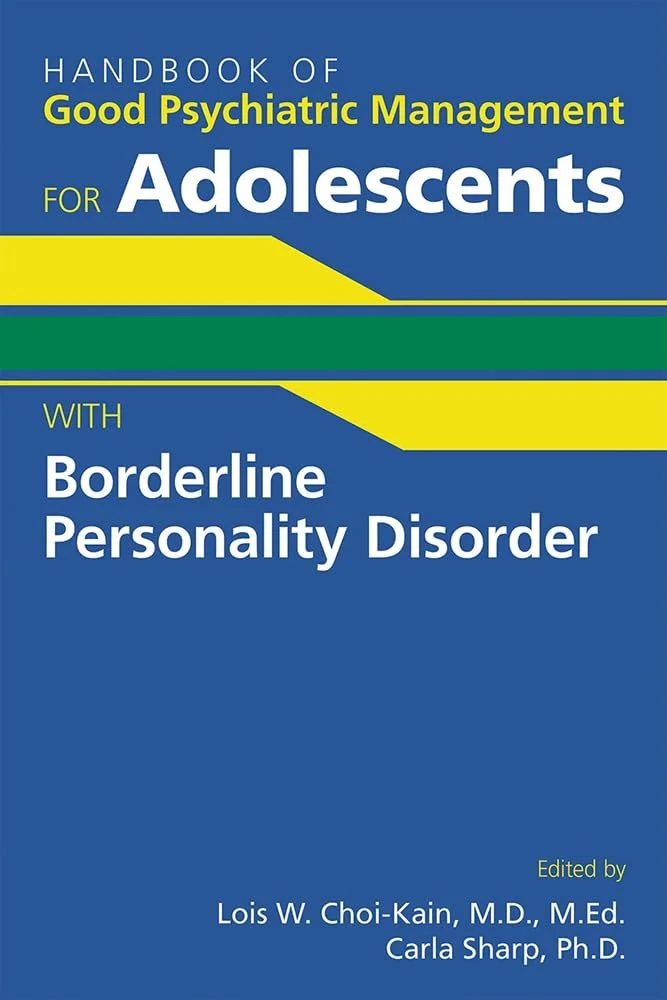
Lois W. Choi-Kain & Carla Sharp (Eds.)
Handbook of good psychiatric management for adolescents with borderline personality disorder (2021)
American Psychiatric Publishing
-
Somewhere between 11% and 22% of adolescents seeking mental health care in outpatient clinics—and between 33% and 49% of those in inpatient units—meet the diagnostic criteria for borderline personality disorder (BPD). Despite its high prevalence, however, and the high social and economic costs that it entails, BPD remains underdiagnosed, and sufficient training regarding its fundamentals and clinical management is largely unavailable for mental health professionals treating adolescents.
It is precisely these essential guidelines that clinicians will find in the Handbook of Good Psychiatric Management for Adolescents With Borderline Personality Disorder. Adapted from Dr. John Gunderson's good psychiatric management (GPM), a resource-efficient generalist treatment for adults with BPD, this manual uses GPM for adolescents (GPM-A) to demystify BPD in young people, describing common problems that arise during each phase or aspect of treatment, from patient rejection of diagnosis and conflicts among clinicians providing care to nonadherence to medications and concerns about stigma.
Case vignettes that feature key decision points propose alternative interventions and demonstrate how to apply the book's concepts in a variety of settings. Additionally, speech bubbles throughout the handbook offer suggestions for how to phrase explanations and interventions to communicate effectively with adolescent patients at an appropriate level.
Although the pragmatic GPM-A principles outlined in this book are based on real-world experience and bolstered by scientific evidence, they are not intended to be an end point for treatment. They are, rather, a road map to provide "good enough" care even in the absence of specialized treatments, and clinicians are encouraged to adjust the lessons as needed for their practice.
The education provided in the handbook is meant to be shared with patients, their families, schools, clinical teams, and trainees as a resource for motivation in persevering with the difficult but worthwhile investments in treatment.

Lois W. Choi-Kain & John Gunderson (Eds.)
Applications of good psychiatric management for borderline personality disorder: A practical guide (2019)
American Psychiatric Publishing
-
Inspired by the 2014 handbook on Good Psychiatric Management (GPM), Applications of Good Psychiatric Management for Borderline Personality Disorder: A Practical Guide distills the latest scientific research on borderline personality disorder (BPD) into a useful guide for any generalist practitioner who wants a basic skill set to effectively manage patients with BPD. Written in a down-to-earth style, this book serves as a practical road map for clinicians from all corners of the clinical universe: the primary care provider, the emergency room doctor, the social worker, the psychopharmacologist, the psychotherapy supervisor, the dialectical behavior therapy specialist, and the generalist in an outpatient clinic, as well as other practitioners. Emphasizing GPM's efficacy and arguing for its relevance and utility across diverse patient populations, clinical settings, and practitioner roles, the volume provides helpful how-to advice and wisdom for managing patient care. The book is not about lengthy intensive interventions, it is about management strategies (i.e., calming, encouraging, advising) to enable patients with BPD to pursue productive lives.
A case-based text that any health professional, no matter their level, will find easy to use, Applications of Good Psychiatric Management for Borderline Personality Disorder: A Practical Guide is accessible, actionable, and indispensable.

Lois W. Choi-Kain & John Gunderson (Eds.)
Borderline personality and mood disorders: Comorbidity and controversy (2014)
Springer
-
In Borderline Personality and Mood Disorders: Comorbidity and Controversy, a panel of distinguished experts reviews the last two decades of progress in scientific inquiry about the relationship between mood and personality disorders and the influence of this empirical data on our ways of conceptualizing and treating them. This comprehensive title opens with an introduction defining general trends both influencing the expansion of the mood disorder spectrum and undermining clinical recognition and focus on personality disorders. The overlaps and differences between MDD and BPD in phenomenology and biological markers are then reviewed, followed by a review of the overlaps and distinctions between more atypical mood disorder variants. Further chapters review the current state of thinking on the distinctions between bipolar disorder and BPD, with attention to problems of misdiagnosis and use of clinical vignettes to illustrate important distinguishing features. Two models explaining the relationship between mood, temperament, and personality are offered, followed by a review of the literature on risk factors and early signs of BPD and mood disorders in childhood through young adulthood as well as a review of the longitudinal studies on BPD and mood disorders. The last segment of the book includes three chapters on treatment. The book closes with a conclusion with a synthesis of the current status of thinking on the relationship between mood and borderline personality disorder.
An invaluable contribution to the literature, Borderline Personality and Mood Disorders: Comorbidity and Controversy insightfully addresses the mood and personality disorders realms of psychiatry and outlines that it has moved away from contentious debate and toward the possibility of synthesis, providing increasing clarity on the relationship between mood and personality to inform improvements in clinical management of the convergence of these psychiatric domains in common practice.

Robert P. Drozek
Mentalization: Utilizing reflection to heal from borderline personality disorder (2025)
Oxford
-
Do you struggle with instability in your emotions, self-esteem, relationships, or behavior? If so, then you might have borderline personality disorder (BPD), a serious and relatively common mental health condition that is highly responsive to treatment. People with BPD can find it challenging to effectively mentalize — to "read," access, and reflect on mental states in themselves and other people.
This book is all about mentalization-based treatment, or "MBT," one of the leading evidence-based therapies for people with BPD. As the first book for non-clinicians about MBT, it shows you how to apply MBT's techniques in your everyday life, so that - like the tens of thousands of patients whose lives have already been changed by MBT — you can get relief from the suffering of borderline personality disorder. With the help of worksheets, mentalizing prompts, and case examples from actual treatments of patients with BPD, the book walks you through the core elements in MBT as a therapy, outlining the therapeutic strategies that make MBT so effective.
Purchasers receive access to a webpage, so that you can download and print additional copies of worksheets and chapter reviews. This book will be helpful for people with BPD and other mental health conditions, family members affected by BPD, clinicians seeking to teach their clients about MBT, and members of the general public who are curious about mentalizing and MBT.

Robert P. Drozek
Psychoanalysis as an ethical process (2019)
Routledge
-
What role does ethics play in the practice of psychoanalysis and psychotherapy?
For most of its history, psychoanalysis has viewed ethics as a “side issue” in clinical work―occasionally relevant, but not central to therapeutic action. In Psychoanalysis as an Ethical Process, Robert Drozek highlights the foundational importance of ethical experience in the therapeutic relationship, as well as the role that ethical commitments have played in inspiring what has been called the “relational turn” in psychoanalysis.
Using vivid clinical examples from the treatment of patients with severe personality disorders, Drozek sketches out an ethically grounded vision of analytic process, wherein analyst and patient are engaged in the co-construction of an intersubjective space that is progressively more consistent with their intrinsic worth as human beings. Psychoanalysis can thus be seen as a unique vehicle for therapeutic and ethical change, leading to a dramatic expansion of agency, altruism, and self-esteem for both participants. By bringing our analytic theories into closer contact with our ethical experiences as human beings, we can connect more fully with the fundamental humanity that unites us with our patients, and that serves as the basis for deep and lasting therapeutic change.
This book will be of interest to psychotherapists and psychoanalysts, as well as scholars in ethical theory and philosophy.

Robert P. Drozek, Brandon T. Unruh, & Anthony W. Bateman
Mentalization-based treatment for pathological narcissism: A handbook (2023)
Oxford University Press
-
Despite the growing cultural and empirical interest in narcissism and narcissistic personality disorder, therapists often feel confused and overwhelmed about how to help patients struggling with these problems. “Mentalization” refers to the ability to read, access, and reflect on mental states in oneself and other people. Research shows that people with narcissism can suffer from extreme difficulties mentalizing themselves and others, leading to instability in their mood, interpersonal relationships, and sense of self.
Mentalization-based Treatment for Pathological Narcissism: A Handbook provides much needed guidance about how to effectively help patients suffering from narcissistic vulnerabilities. Mentalization-based Treatment, or MBT, is an evidence-based psychotherapy for patients with personality disorders, helping patients to reflect on mental states in themselves and others, resulting in significant improvements in everyday functioning.
This book reviews the deficits in mentalizing associated with pathological narcissism, describes how to give the diagnosis of narcissism to patients, outlines how to structure therapy sessions, and offers step-by-step techniques about “what to do and say” when sitting with these patients. Utilizing vibrant case examples and verbatim scripts from actual psychotherapies, the authors explain how to address the most common clinical challenges associated with narcissism: disconnection from emotions; impairments in empathy; rigid thinking; monologues and intellectualization; unstable self-esteem; and tendencies to blame other people for disruptions in their relationships.
This handbook will be of interest to all mental health professionals who encounter patients with pathological narcissism, as well as non-clinicians who are interested in learning more about the troubles in mentalizing associated with narcissism.
-
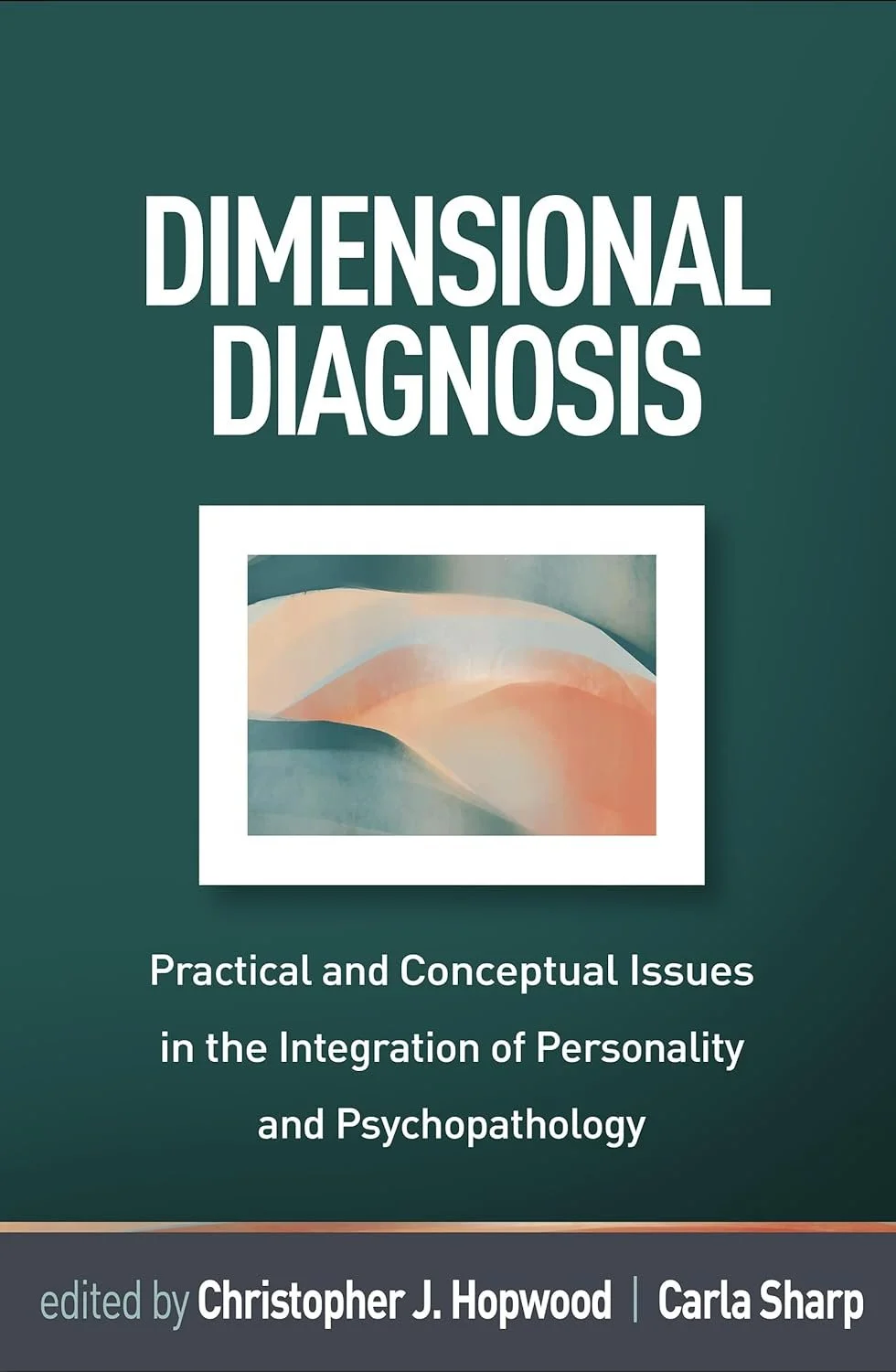
Despite a general consensus that the mental health field is shifting from categorical toward dimensional diagnosis, important questions remain about exactly how this transition should occur—both practically and conceptually. This book brings together leading scholars to discuss how personality is related to psychopathology, how this changes our understanding of mental disorders, how dimensional models can be applied in varied clinical settings, and implications for training and research. The volume is uniquely structured to address 15 core challenges identified by the editors. Within each chapter, two author teams weigh in with different perspectives on the questions posed, offering a window into critical debates at the cutting edge of clinical science and practice.

Brian Palmer & Brandon Unruh (Eds.)
Borderline personality disorder: A case-based approach (2018)
Springer
-
This book brings together a series of experts and experienced clinicians to describe and discuss a series of BPD cases in a manner that emphasizes core descriptive and diagnostic features, generalizable principles and techniques, and key take-home messages for clinicians at all levels of experience. The book emphasizes consideration for the disorder from multiple perspectives to help identify effective responses to common clinical challenges and decision points.
To enhance interest, narrative, and readability, each chapter uses a consistent format to present a common clinical challenge along with an effective therapeutic response and discussion of relevant theoretical and empirically validated principles. Each chapter title contains a patient’s (fictionalized) name and a subheading identifying the clinical dilemma or approach to be illustrated. The text includes key points and chapter summaries to help pull together the most important takeaways as quick reference.
Borderline Personality Disorder is a vital resource for psychiatrists, psychologists, psychiatric nurses, general internists, social workers, and all medical professions working with patients suffering from Borderline Personality Disorder.

Anne K. I. Sonley & Lois W. Choi-Kain (Eds.)
Good psychiatric management and dialectical behavior therapy: A clinician's guide to integration and stepped care (2020)
American Psychiatric Publishing
-
Good Psychiatric Management and Dialectical Behavior Therapy: A Clinician's Guide to Integration and Stepped Care presents a unique approach to treating borderline personality disorder (BPD). The approach, known as good psychiatric management (GPM), requires minimal training, is flexible, and is feasible for generalists to learn and use. However, the guide also draws upon the essential concepts and tools of dialectical behavior therapy (DBT), which is considered a gold standard for BPD treatment. This combination of GPM, which is easy to master, and the fundamental techniques of DBT constitutes an accessible, useful, and evidence-based model that clinicians can use to deliver quality care. The guide is organized around basic skills, condensing current scientific research and explaining how GPM is used -- with different patient populations, in conjunction with different modalities, by different professions, and in different treatment settings. Given BPD's morbidity and mortality and the limited efficacy of standard treatment, nonspecialists have been understandably hesitant to treat these patients. Moreover, newer and promising treatment options require a significant amount of training, supervision, and time to learn and implement.
This book is designed to address that dilemma. Good Psychiatric Management and Dialectical Behavior Therapy provides general psychiatrists, therapists, social workers, and mental health nurses, family doctors and psychiatry residents with the skills they need to manage BPD, ensuring that patients who might otherwise lack treatment receive the care they need.
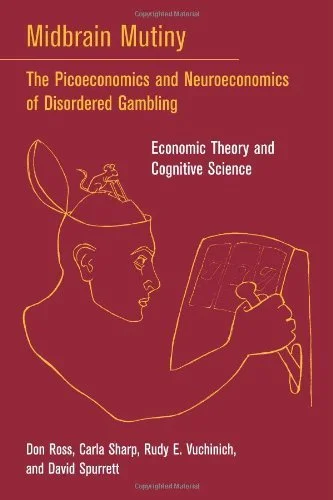
Don Ross, Carla Sharp, Rudy E. Vuchinich, & David Spurrett (Eds.)
Midbrain mutiny: The picoeconomics and neuroeconomics of disordered gambling: Economic theory and cognitive science (2008)
The MIT Press
-
The explanatory power of economic theory is tested by the phenomenon of irrational consumption, examples of which include such addictive behaviors as disordered and pathological gambling. Midbrain Mutiny examines different economic models of disordered gambling, using the frameworks of neuroeconomics (which analyzes decision making in the brain) and picoeconomics (which analyzes patterns of consumption behavior), and drawing on empirical evidence about behavior and the brain. The book describes addiction in neuroeconomic terms as chronic disruption of the balance between the midbrain dopamine system and the prefrontal and frontal serotonergic system, and reviews recent evidence from trials testing the effectiveness of antiaddiction drugs. The authors argue that the best way to understand disordered and addictive gambling is with a hybrid picoeconomic-neuroeconomic model.

Carla Sharp & Dickon Bevington
Mentalizing in psychotherapy: A guide for practitioners (2022)
Guilford
-
How can therapists help clients reflect more deeply on their own—and other people's—thoughts and emotions? How can the therapeutic relationship be leveraged effectively to create change? This concise book guides therapists of any orientation to incorporate innovative mentalization-based strategies into assessment and intervention. Complex ideas are clearly explained and illustrated with extensive session transcripts and vignettes. Ways to help clients struggling with dysregulated emotions and behavior are highlighted. Compelling topics include the role of mentalization difficulties in personality disorders, special concerns in working with adolescents, and how clinicians can improve their own mentalizing capacities.

Carla Sharp, Peter Fonagy, & Ian Goodyer
Social cognition and developmental psychopathology (2009)
Oxford
-
Social cognition refers to the capacity to think about others' thoughts, intentions, feelings, attitudes and perspectives and enables us to engage in the activities that humans value most, such as family, friendship, love, cooperation, play, and community. These processes form such an essential and natural part of our functioning as human beings that it is easy to assume that all humans possess the capacity in equal measure. However, it has been shown by research over the last 20 years that children with a wide variety of psychiatric disorders have problems in social cognition. For instance, children with autism have clear deficits in thinking what others might be thinking. In contrast, children with psychopathic traits are very good at reading the minds of others, but may use this knowledge to manipulate or mistreat individuals.
This volume brings together for the first time leaders at the intersection of two academic fields: developmental psychopathology (which deals with child psychiatric disorders) and social cognition. By bringing together the two fields in this unique way, readers not only learn much about important disease mechanisms in childhood disorder, but also gain a better understanding about the treatments most likely to be effective. It is a must-have for all students, researchers and clinicians interested in both childhood psychiatric disorder and cognitive psychology.

Carla Sharp & Lochner Marais (Eds.)
Growing up resilient: The Mediational Intervention for Sensitizing Caregivers (MISC)(2021)
Routledge
-
It is universally accepted that sensitive and responsive caregiving leads to positive cognitive and socio-emotional outcomes for children. While several intervention approaches exist, this text brings together the rationale and current evidence base for one such approach―the Mediational Intervention for Sensitizing Caregivers (MISC).
MISC integrates aspects of socio-emotional health and cognitive development as well as being less culturally intrusive than existing approaches. It is a strengths-based program complementing existing practices and cultures. Editors bring together in one volume the theory and research from the last decade supporting the MISC approach. Chapters focus on a range of topics, such as training the trainer, maternal depression and MISC, applying MISC to families reunited after migration-related separation and more. The book also focuses on several country-specific cases, such as applying MISC to HIV/AIDS-affected children in South Africa or in early childhood care settings in Israel.
This book is essential reading for those working in early educational or clinical settings tasked with developing policy to ensure optimal child developmental outcomes. The book is applicable to professionals from a wide variety of disciplines including clinical, counselling, educational, psychology, psychiatry, paediatrics, nursing, social work and public health.

Carla Sharp & Jennifer L. Tackett (Eds.)
Handbook of borderline personality disorder in children and adolescents (2014)
Springer
-
Diagnosing Borderline Personality Disorder (BPD) in young people has long been a tough call for clinicians, either for fear of stigmatizing the child or confusing the normal mood shifts of adolescence with pathology. Now, a recent upsurge in relevant research into early-onset BPD is inspiring the field to move beyond this hesitance toward a developmentally nuanced understanding of the disorder.
The Handbook of Borderline Personality Disorder in Children and Adolescents reflects the broad scope and empirical strengths of current research as well as promising advances in treatment. This comprehensive resource is authored by veteran and emerging names across disciplines, including developmental psychopathology, clinical psychology, child psychiatry, genetics and neuroscience in order to organize the field for an integrative future. Leading-edge topics range from the role of parenting in the development of BPD to trait-based versus symptom-based assessment approaches, from the life-course trajectory of BPD to the impact of the DSM-5 on diagnosis. And of particular interest are the data on youth modifications of widely used adult interventions, with session excerpts.

Amanda Venta, Carla Sharp, Jack M. Fletcher, & Peter Fonagy (Eds.)
Developmental psychopathology (2021)
Wiley-Blackwell
-
The mainstream upper-level undergraduate textbook designed for first courses in Developmental Psychopathology.
Developmental Psychopathology provides a comprehensive introduction to the evolving scientific discipline that focuses on the interactions between the biological, psychological, behavioral, and social contextual aspects of normal and abnormal human development. Designed for advanced undergraduates and early graduate students with no previous engagement with the subject, this well-balanced textbook integrates clinical knowledge and scientific practice to help students understand both how and why mental health problems emerge across the lifespan.
Organized into four parts, the text first provides students with essential background information on traditional approaches to psychopathology, developmental psychopathology (DP), normal development, and insecure attachment. The next section addresses attention-deficit/hyperactivity disorder (ADHD), autism spectrum disorder (ASD), and other problems emerging in childhood. Part III covers problems that arise in adolescence and young adulthood, such as depression, suicide, eating disorders, and schizophrenia. The text concludes with a discussion of special topics such as the relation between pathopsychological issues and divorce, separation, and loss. Each chapter includes a visual demonstration of the DP approach, a clinical case, further readings, and discussion questions. Developmental Psychopathology:
Presents a coherent organization of material that illustrates the DP principle of cutting across multiple levels of analysis
Covers common psychopathological problems including antisocial behavior, substance use disorders, fear and anxiety, and emerging personality disorders
Features integrative DP models based on the most recent research in psychopathological disorders
Provides instructors with a consistent pedagogical framework for teaching upper-level students encountering the discipline for the first time
Developmental Psychopathology is the perfect textbook for advanced undergraduate or graduate courses in Child Psychopathology, Abnormal Child Psychology, Clinical Psychology, and Family Dynamics and Psychopathology.

Laurel L. Williams & Owen Muir (Eds.)
Adolescent suicide and self-injury: Mentalizing theory and treatment (2020)
Springer
-
This volume presents a comprehensive and practical approach to the treatment of suicide and NSSI for adolescents utilizing a mentalizing framework. The beginning of the text provides up-to-date information on the theory of a mentalizing therapy in order to ground the readers in the neuroscientific underpinnings of a mentalizing approach. Next chapters provide information on the fundamental building blocks of a mentalizing therapy at the individual and family level. These chapters provide step-by-step approaches in order to provide examples of the techniques involved in mentalizing treatment that can be employed to address suicidality and NSSI. The next chapter builds on these concepts as the reader learns about mentalizing failures involved in common co-morbidities in adolescents who are experiencing suicidality and/or employing NSSI. The next several chapters cover practical issues related to working within this patient population including the key concept of social systems and connections for both providers and adolescents, the ability of mentalizing theory and therapy to integrate with other effective therapies, how to approach sessions after a suicide attempt, resiliency for patient, family and the provider, along with important self-care for a therapist if a patient commits suicide. The final chapter brings all of the aforementioned elements together in order for the reader to conceptualize employing a mentalizing approach to adolescents and their families when suicide and NSSI concerns are a predominate focus of care. Illustrations of specific therapeutic approaches and a list of resources and guidelines where available are also included.
Adolescent Suicide and Self-Injury is an excellent resource for all clinicians working with youths at risk for suicide and/or self-injury, including psychiatrists, psychologists, pediatricians, family medicine physicians, emergency medicine specialists, social workers, and all others.
Selected Chapters

Bateman, A., Choi-Kain, L. W., & Unruh, B. (2022). Theory and practice of mentalization-based treatment. In H. Crisp & G. O. Gabbard (Eds.), Gabbard’s textbook of psychotherapeutic treatments (2nd ed.; pp. 89–106). American Psychiatric Publishing.

Bateman, A., Unruh, B. T., & Fonagy, P. (2019). Individual therapy techniques. In A. Bateman & P. Fonagy (Eds.), Handbook of mentalizing in mental health practice (2nd ed.; pp. 103–115). American Psychiatric Publishing.
Cusin, C., Adler, K., Brown, H., Pliakas, A., Rosenquist, J. N., Spencer, A., Unruh B. T., Yang, H. (2010). Psychopharmacology. In J. N. Rosenquist & S. Nykiel (Eds.), The Massachusetts General Hospital/McLean Hospital residency handbook of psychiatry (pp. 170–229). Lippincott Williams & Wilkins.

Drozek, R. P. (2021). Ethical processes in psychoanalysis and psychodynamic psychotherapy. In M. Trachsel, J. Gaab, N. Biller-Andorno, S. Tekin, & J. Z. Sadler (Eds.), The Oxford handbook of psychotherapy ethics (pp. 529–544). Oxford University Press.

Drozek, R. P. (2019). Social workers. In L. W. Choi-Kain & J. G. Gunderson (Eds.), Applications of good psychiatric management for borderline personality disorder: A practical guide (pp. 141–167). American Psychiatric Publishing.
Drozek, R. P. (2018). Stimulating reflection and curiosity. In B. Palmer & B. Unruh (Eds.), Borderline personality disorder: A case-based approach (pp. 11–23). Springer.
Drozek, R. P., & Henry, J. (2021). Mentalization-based treatment. In R. E. Feinstein (Ed.), Personality disorders (pp. 237–258). Oxford University Press.

Drozek, R. D., Unruh, B. T., Liu, G. Z., & Demers, C. Z. (2023). Mentalization-based Treatment. In H. S. Friedman & C. N. H. Markey (Eds.), Encyclopedia of mental health (3rd ed.). Elsevier.
Palmer, B., & Unruh, B. T. (2018). Organizing and shaping a treatment toward change. In B. Palmer & B. Unruh (Eds.), Borderline personality disorder: A case-based approach (pp. 1–10). Springer.

Patzelt, E.H., Conway, S. J. Jr., & Choi-Kain, L.W. (2024). Multimodal treatments. In L.W. Choi-Kain & H.S. Connery (Eds.), Good psychiatric management: Borderline personality disorder & alcohol use disorder (pp. 135–166). American Psychiatric Association Publishing.

Robinson, W. M., & Unruh, B. T. (2008). The hepatitis experiments at the Willowbrook State School. In E. J. Emanuel, C. Grady, R. A. Crouch, R. K. Lie, F. G. Miller, & D. Wendler (Eds.), The Oxford textbook of clinical research ethics (pp. 80–85). Oxford University Press.

Sharp, C. (2014). The social-cognitive basis of BPD: A theory of hypermentalizing. In C. Sharp & J. Tackett (Eds.), Handbook of borderline personality disorder in children and adolescents (pp. 211-228). New York, NY: Springer.

Sharp, C., & Hernandez, J. (2021). Mindreading and Psychopathology in Middle Childhood and Adolescence. In S. Lecce & R.T. Devine. Theory of Mind in Middle Childhood and Adolescence: Integrating Multiple Perspectives (pp. 231-252). London: Taylor and Francis.

Sharp, C., & Rossouw, T. (2019). Working with borderline teens. In A. Bateman and P. Fonagy (Eds). Handbook of mentalizing in mental health practice (3rd edition) (pp. 281-300). New York: Wiley.
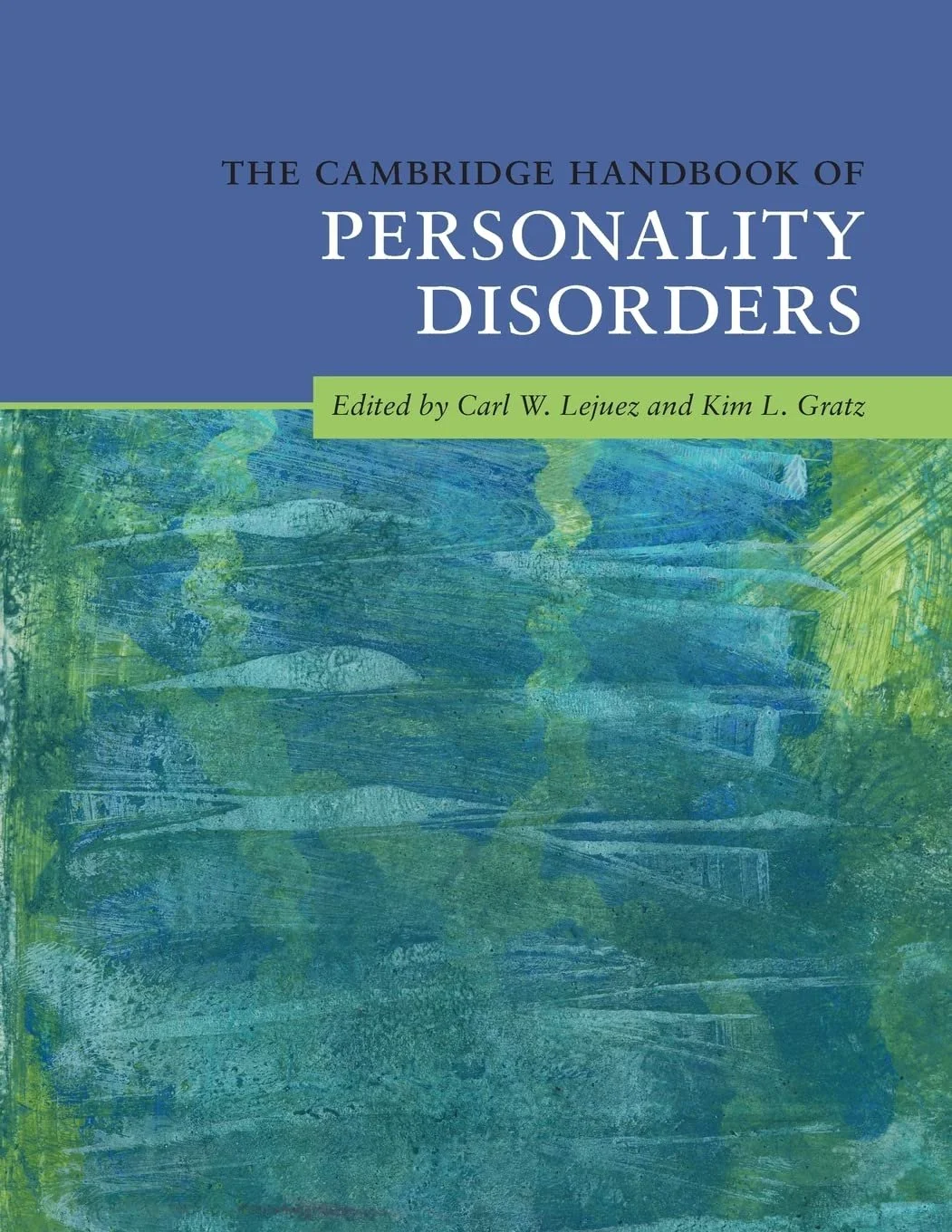
Unruh, B. T. (2020). Short- and long-term personality disorder treatment studies should inform one another: Commentary on “Brief therapeutic approaches for personality disorders.” In C. W. Lejeuz & K. L. Gratz, The Cambridge handbook of personality disorders (pp. 498-501). Cambridge University Press.

Unruh, B. T., Sonley, A. K., & Choi-Kain, L. W. (2019). Integration with mentalization-based treatment. In L. W. Choi-Kain & J. G. Gunderson (Eds.), Applications of good psychiatric management for borderline personality disorder: A practical guide (pp. 307–326). American Psychiatric Association Publishing.
Selected Articles